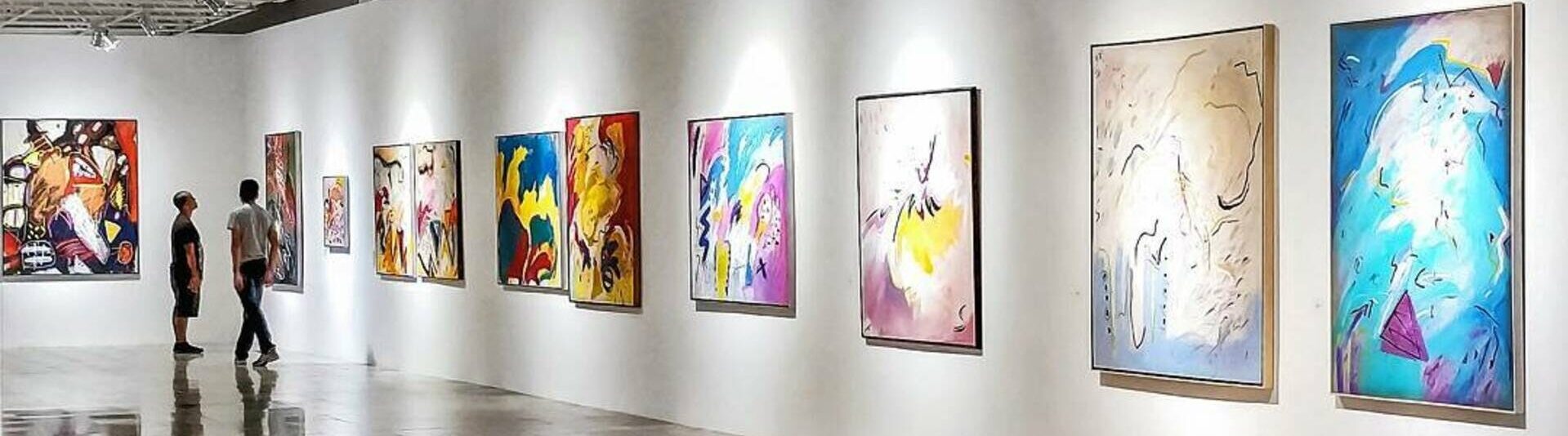
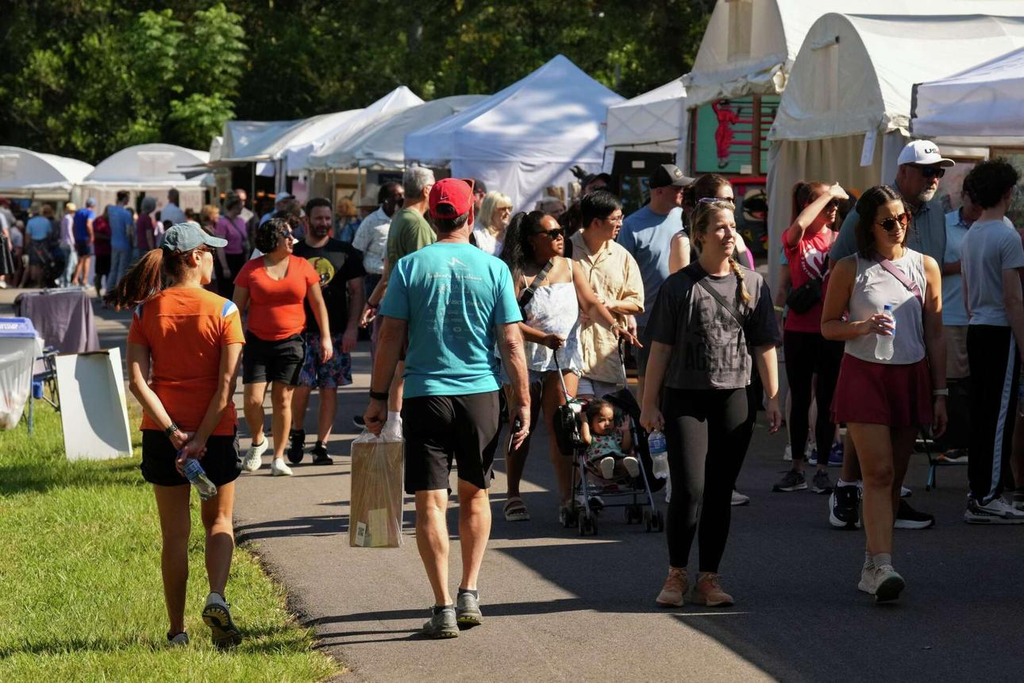
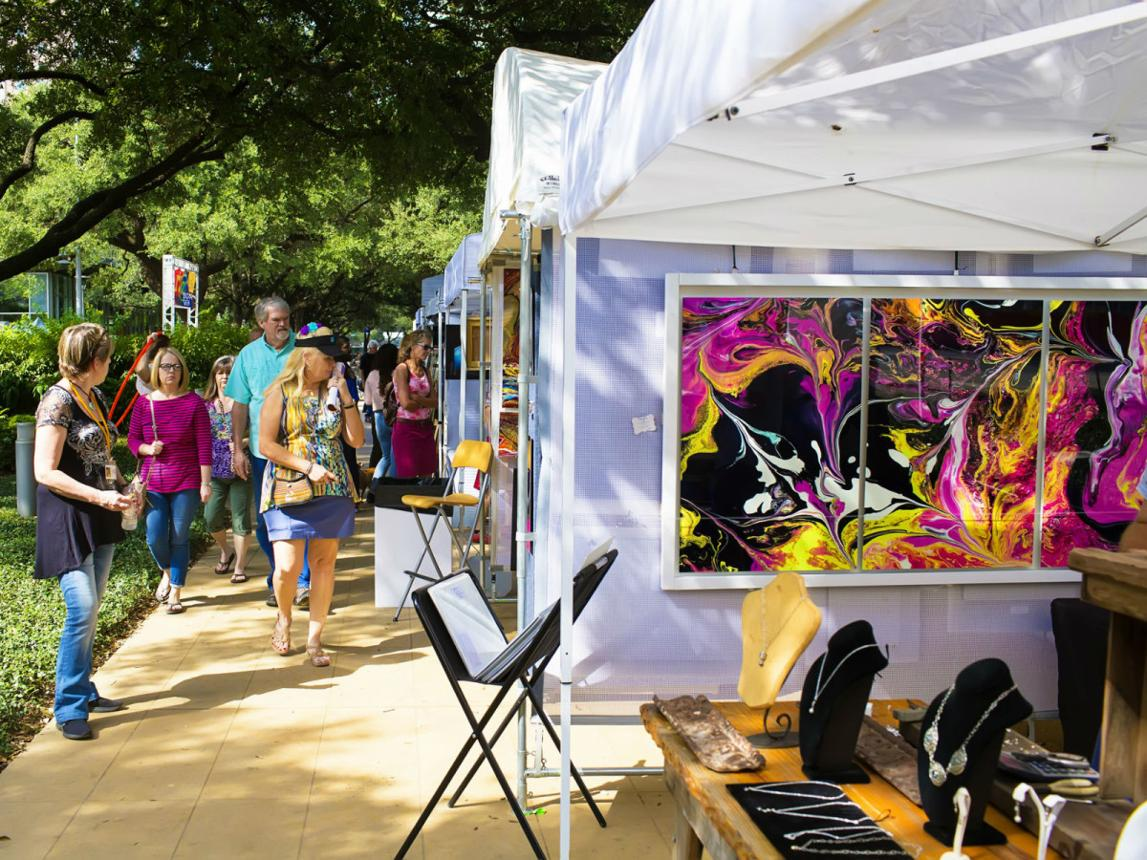
Houston is a city known for its energy, diversity, and enormous cultural landscape. From major museums and performing arts organizations to neighborhood galleries and community events, creativity can be found throughout the city. Yet some of the most memorable artistic experiences do not necessarily happen inside traditional cultural institutions. They take place outdoors, on neighborhood streets, in parks, and at lively festivals where artists and audiences come together.
Houston’s festivals help make art feel approachable. They provide opportunities for people to encounter painting, sculpture, music, dance, crafts, photography, theater, food, and cultural traditions without feeling as though they need special knowledge to participate. In many cases, simply showing up is enough.
Festivals Turn the City Into an Art Space
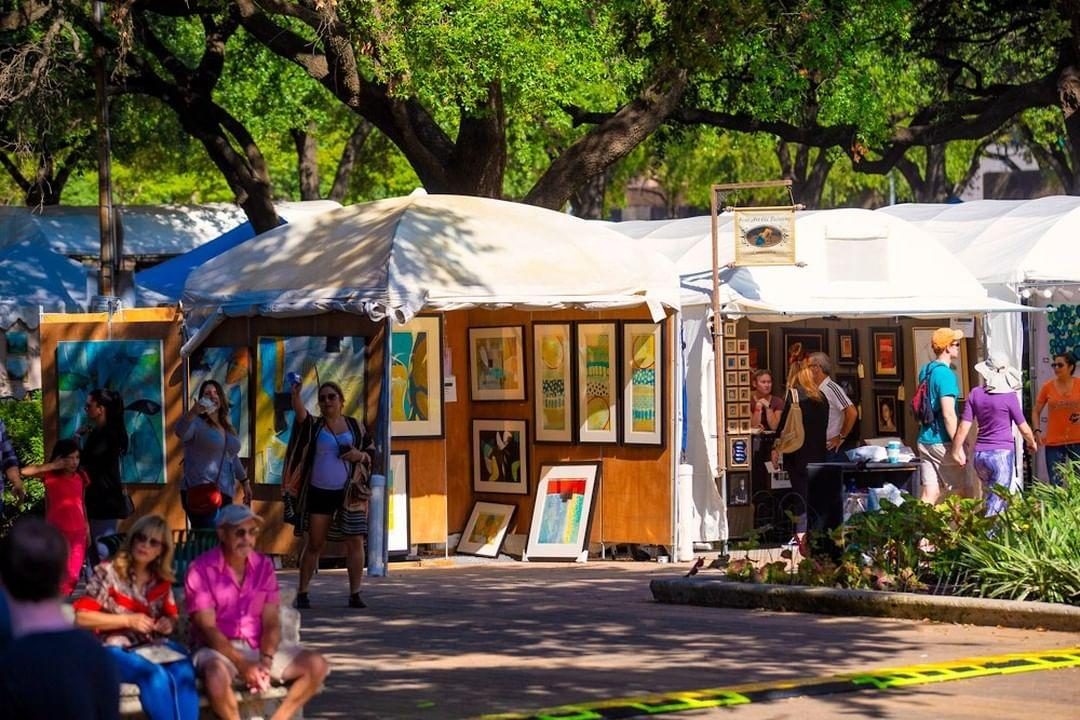
One of the most appealing aspects of Houston’s festival culture is the way it takes creativity outside conventional spaces. A museum can be inspiring, but a festival offers a different kind of experience. Instead of quietly walking through galleries, visitors can watch artists demonstrate their skills, talk with creators, listen to live performances, and discover artwork while enjoying the atmosphere of a public celebration.
This setting can remove some of the intimidation that people occasionally associate with the traditional art world. There are no complicated expectations about how someone should behave or what they should already know. Families can attend together, friends can wander from booth to booth, and curious visitors can discover something new simply by following their interests.
For children especially, this environment can be powerful. Seeing an artist transform a blank surface into a colorful work or watching performers take the stage can make creativity seem like something they can pursue themselves.
Houston’s Diversity Becomes Part of the Experience

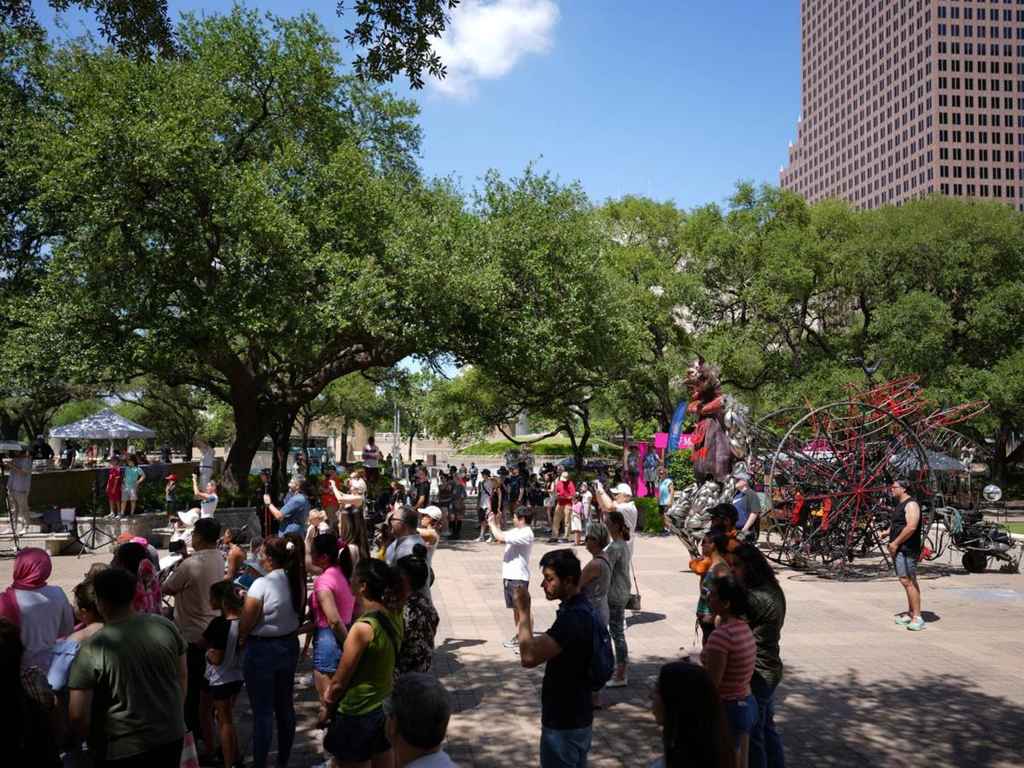
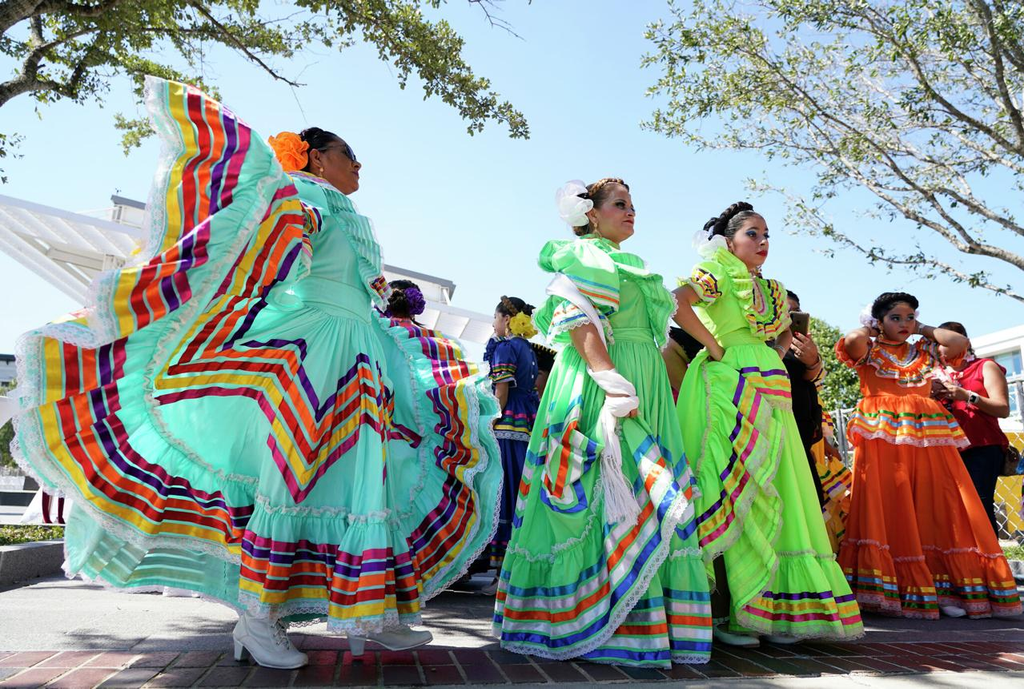
Houston’s multicultural character gives its festivals an especially broad artistic range. The city is home to communities with roots around the world, and cultural festivals frequently provide opportunities to celebrate traditions through art, music, dance, clothing, storytelling, crafts, and cuisine.
This makes attending a festival more than a simple afternoon activity. Visitors may encounter artistic traditions that are completely unfamiliar to them, while members of different communities can see their heritage represented and celebrated.
Cultural festivals also encourage conversations. Someone might stop to admire a handmade craft, ask about its origins, and discover a story connected to a particular community or tradition. A musical performance can introduce an audience to a new genre. A dance presentation can demonstrate movements and customs that visitors have never encountered.
In this way, art becomes a bridge between people.
Free and Affordable Events Expand Access
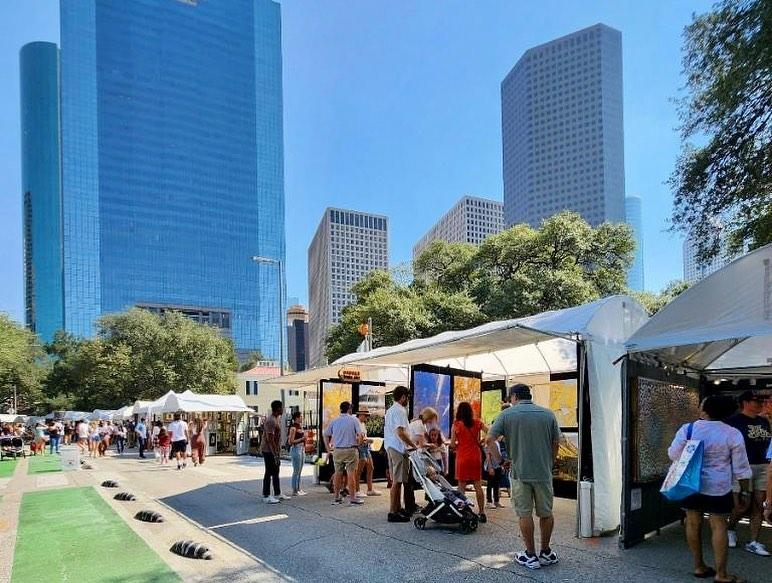
Accessibility is one of the most important reasons festivals can broaden participation in the arts. Tickets to major performances, exhibitions, and cultural attractions can sometimes be expensive, particularly for families or larger groups. Community festivals frequently provide free admission or relatively inexpensive ways to experience a wide variety of creative activities.
That matters because cost should not determine who gets to participate in cultural life.
A free neighborhood art event can introduce someone to a local painter. An inexpensive festival can give a child the chance to create a craft, hear live music, or watch a theatrical performance. A public celebration can allow residents to experience something new without making a significant financial commitment.
Even when individual artwork or merchandise is available for purchase, visitors can often enjoy the broader festival atmosphere without buying anything. Browsing, listening, watching demonstrations, and participating in public activities can all be valuable experiences.
Local Artists Get a Chance to Connect
Houston’s festivals are also important platforms for artists themselves. Large events can bring independent creators directly in front of audiences who might never visit a private studio or small gallery.
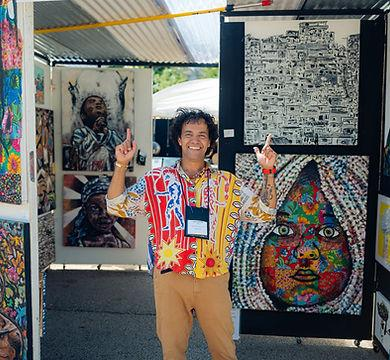
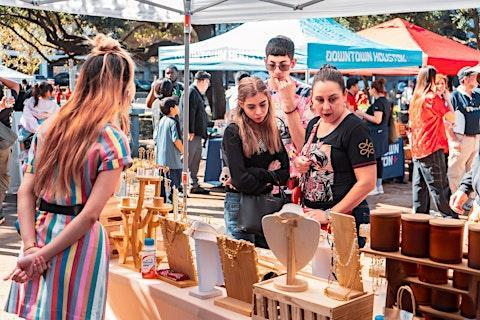
For emerging artists, this personal connection can be particularly meaningful. Visitors can ask questions about materials, techniques, inspiration, and creative processes. Instead of seeing artwork only as a finished product, people get to understand the person behind it.
Artists also benefit from selling their work directly to the public. Purchases from local creators can help support their continued work while allowing buyers to take home something with a personal story attached to it.
The relationship goes both ways. Artists receive feedback and encouragement, while audiences get an opportunity to discover original work that may not be available through larger commercial channels.
Interactive Art Encourages Participation
Traditional art viewing often involves observing. Festivals frequently invite people to become participants.
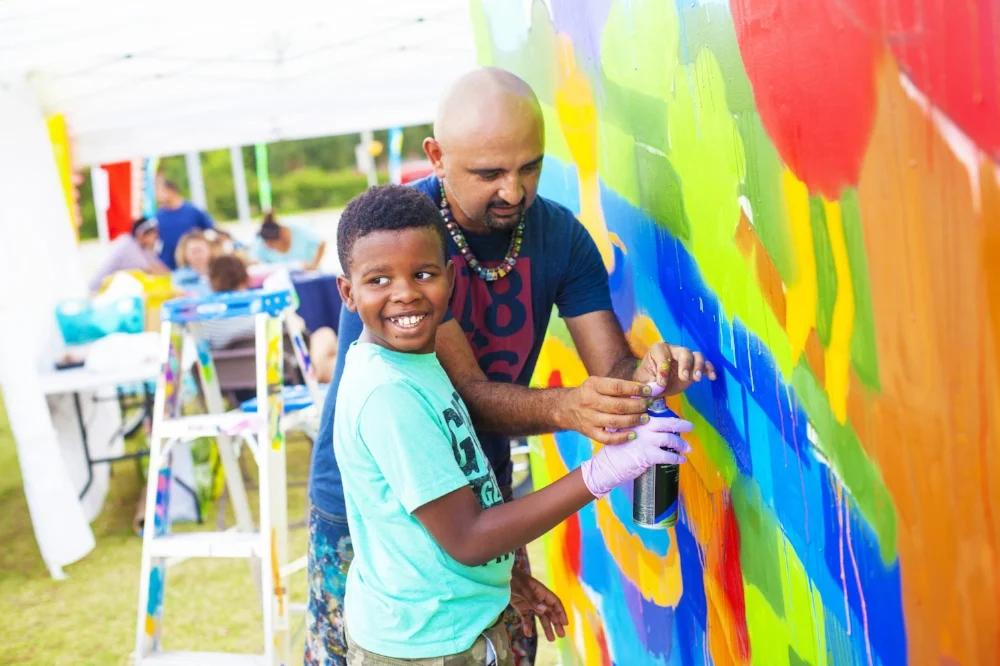
Visitors may encounter collaborative murals, craft workshops, temporary installations, demonstrations, dance lessons, or hands-on activities. These experiences change the relationship between creator and audience. Rather than simply looking at something, participants can contribute to it.
This can be particularly effective for people who do not consider themselves artistic.
Someone may hesitate to sign up for a formal art class because they believe they lack talent. At a festival, however, painting a small section of a community artwork or experimenting with a craft can feel like play rather than instruction.
That distinction matters. Creativity does not have to produce a masterpiece to be worthwhile.
Art Can Belong to Everyone
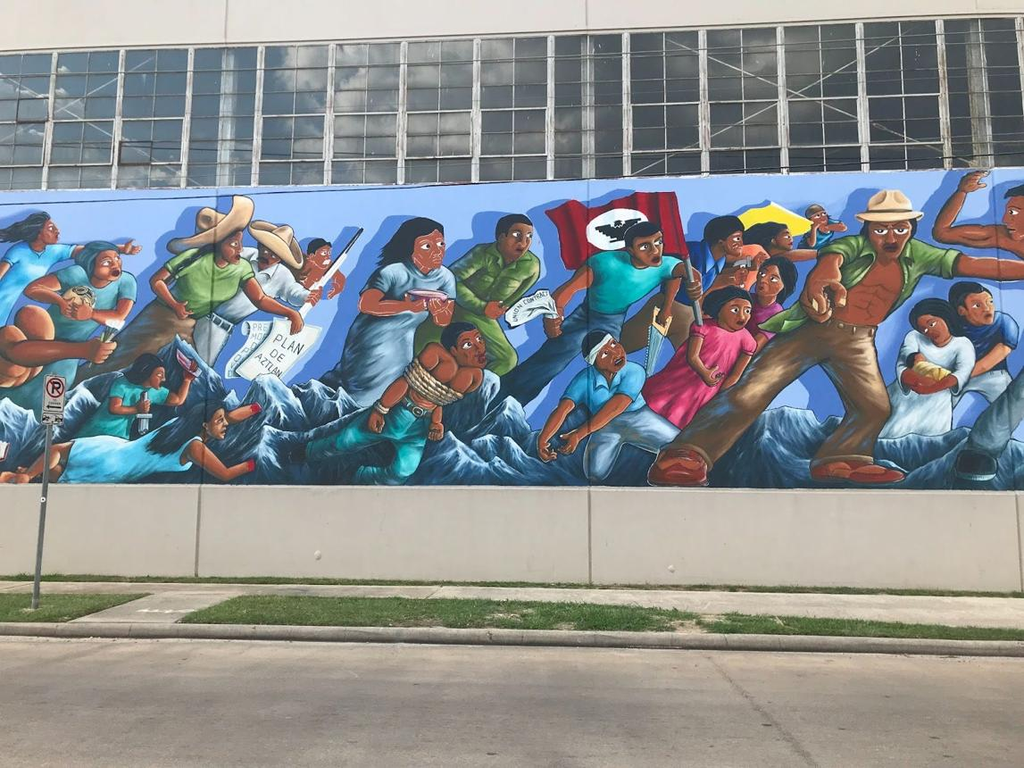
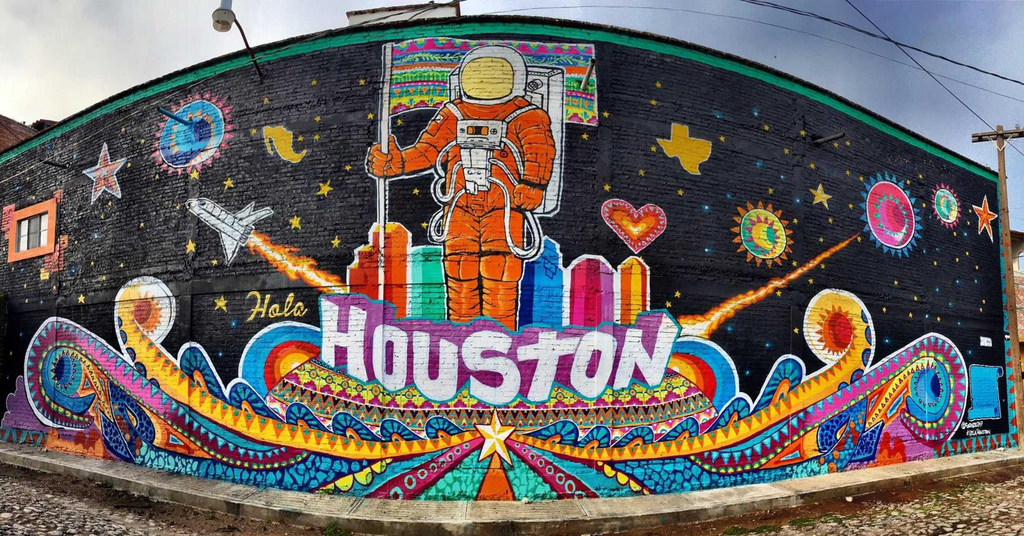
Houston’s public art culture reinforces the idea that creativity belongs in everyday life. Murals, sculptures, installations, and other creative projects can transform ordinary streets and public spaces into places of discovery.
Festivals build on that concept by creating temporary environments where artistic expression becomes part of the public experience. A person who may not normally visit an art museum can still encounter impressive creative work while attending a community event.
This is particularly important for developing lifelong interest in the arts. The first memorable encounter does not have to happen in a gallery. It could happen while walking through a festival with family, listening to a musician perform outdoors, or watching an artist create something in real time.
One experience can inspire another.
Festivals Support the Next Generation of Creators
Young people are among the biggest beneficiaries of accessible arts programming. Festivals can show children and teenagers that creativity takes many forms and can be connected to community, identity, communication, and even future careers.
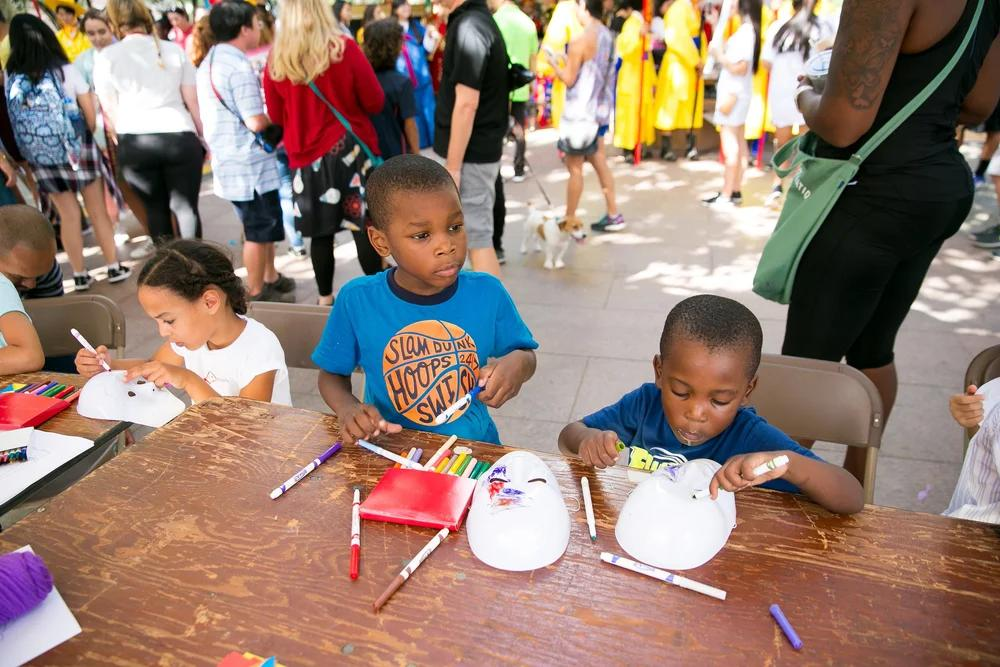
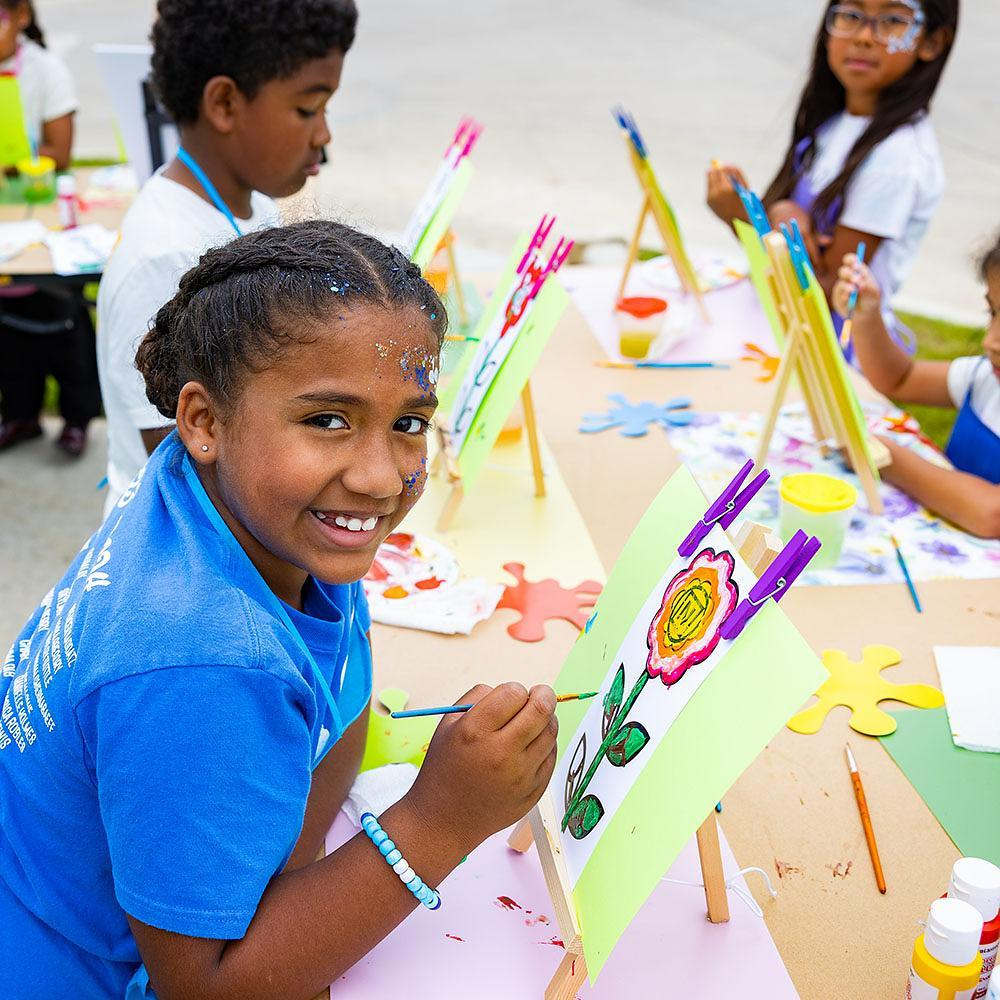
A young visitor might arrive interested in drawing and leave fascinated by photography. Another might discover an interest in dance, sculpture, fashion, theater, filmmaking, or music. Exposure matters because people cannot easily develop interests in creative disciplines they have never encountered.
Festivals also demonstrate that professional artists are real people. Seeing creators working, performing, selling, teaching, and interacting with audiences can make an artistic career seem more tangible.
Creating Connections Beyond the Festival
The influence of an arts festival does not necessarily end when the event closes. Visitors may follow an artist they discovered, attend another performance, purchase locally made work, visit a museum, or seek out additional community arts programs.
Artists can develop new relationships with customers and fellow creators. Organizations can introduce themselves to new audiences. Neighborhoods can gain greater visibility and a stronger sense of community identity.
In that sense, festivals act as gateways. They make creativity easier to discover and encourage people to explore Houston’s wider cultural scene.
A City Where Creativity Is Meant to Be Shared
Houston’s festivals demonstrate that art does not have to be exclusive, expensive, or difficult to understand. Creativity can happen in a park, on a sidewalk, inside a community center, or beneath the open sky. It can be experienced by longtime art enthusiasts and complete newcomers alike.
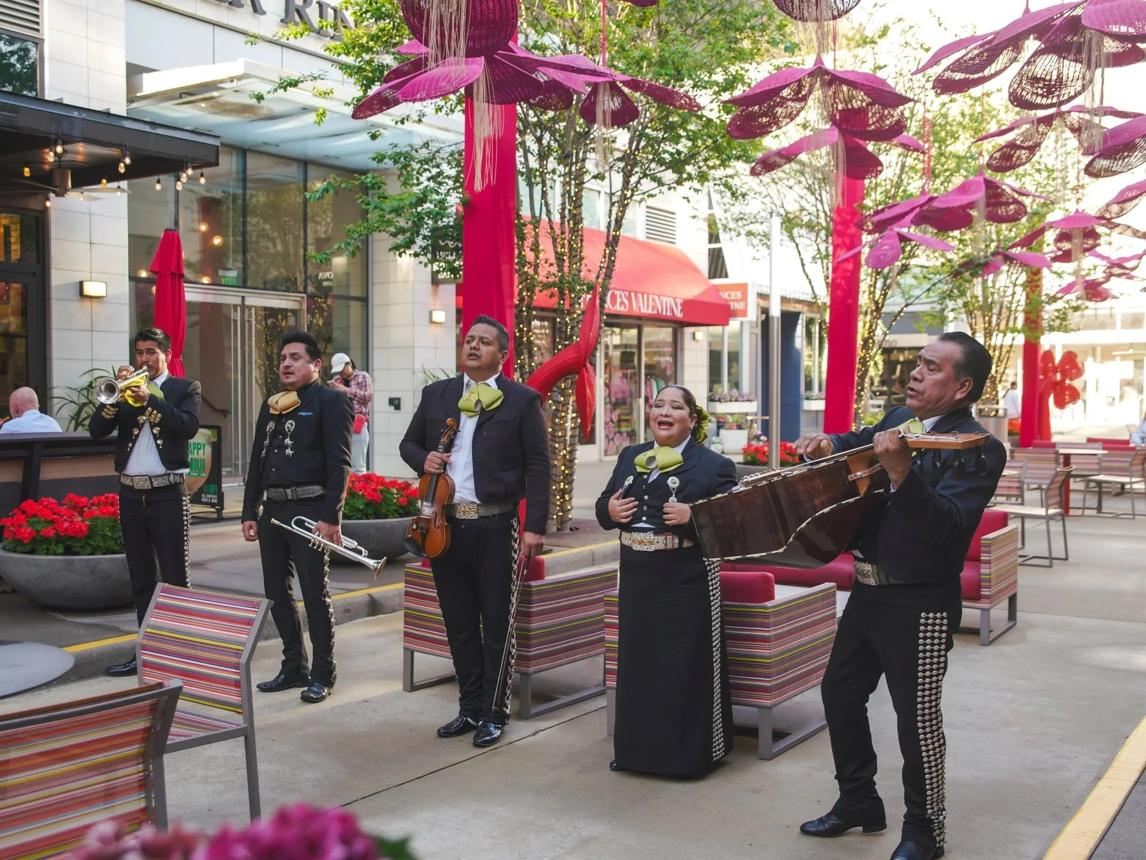
The real strength of these celebrations is their ability to bring people together. Artists receive a platform. Families discover new activities. Children encounter new possibilities. Communities celebrate their identities. Visitors experience different perspectives.
Ultimately, Houston’s festival culture makes a simple but important statement: art is for everyone. Whether someone comes to admire a painting, listen to music, learn a craft, watch a performance, meet an artist, or simply enjoy the atmosphere, there is room for them.
By bringing creativity into accessible public spaces, Houston’s festivals help ensure that art remains not just something people look at, but something they experience, share, and carry with them.
This content is generated by ChatGPT