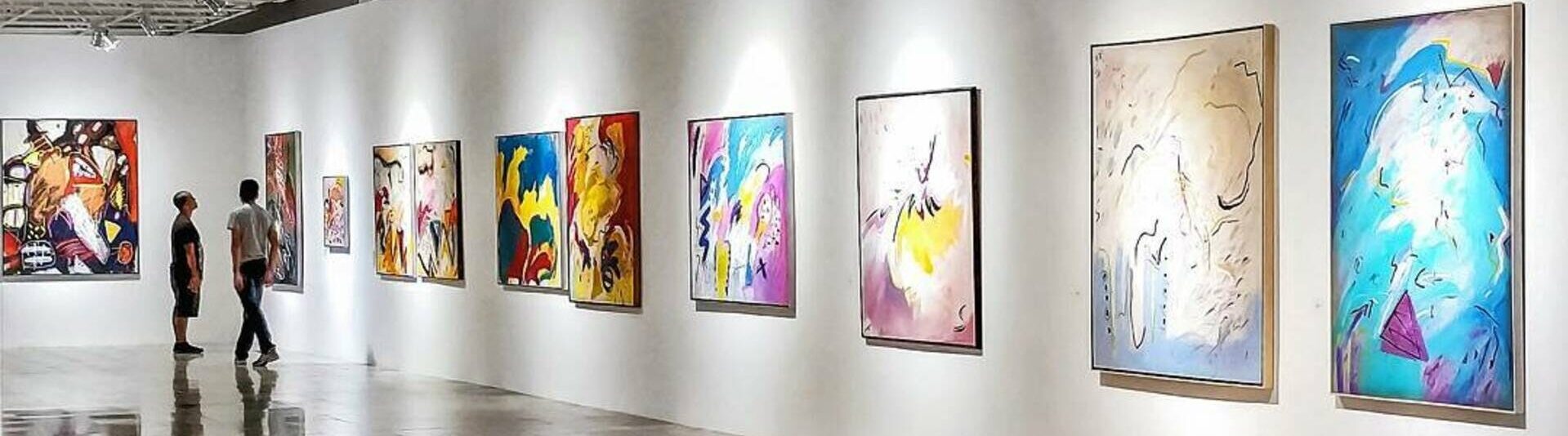
Houston, Texas—America’s fourth-largest city—is known for many things: space exploration, a robust culinary scene, medical innovation, and a diverse population. But among its lesser-heralded yet deeply significant features is the city’s vibrant and growing art festival culture. These festivals, held throughout the year and across Houston’s eclectic neighborhoods, serve not just as showcases for artistic expression but as vital platforms where creativity and community intersect. They transform public spaces into hubs of inspiration, inclusion, and shared identity. This article explores the cultural impact of Houston’s art festivals and how they weave art into the fabric of the city’s community life.
The Role of Art Festivals in Civic Life
Art festivals are more than weekend entertainment—they are cultural catalysts. They provide accessible entry points into the arts for diverse audiences and elevate both emerging and established artists. In Houston, art festivals serve as communal gatherings where people of all ages and backgrounds come together to celebrate visual creativity, music, performance, and storytelling.
These events contribute to the city’s vibrancy, promote cultural understanding, and foster a sense of belonging. Whether it’s a child participating in a hands-on craft station, a local painter selling their first piece, or a visitor learning about another culture through visual art, Houston’s art festivals create shared experiences that enrich civic life.
Celebrating Diversity Through Art
Houston is one of the most ethnically and culturally diverse cities in the United States. Its art festivals reflect this dynamic diversity by embracing multicultural perspectives and artists. Events like the Bayou City Art Festival, Via Colori Street Painting Festival, and the Original Greek Festival illustrate how different cultural influences contribute to the city’s artistic tapestry.
Many festivals include dedicated cultural zones or themed exhibitions highlighting global traditions—whether it’s Indigenous art, Latinx muralism, or Afro-Caribbean sculpture. These culturally specific displays not only educate attendees but also empower underrepresented communities by giving their art and voices visibility.
In this way, Houston’s art festivals act as mirrors, reflecting the multitude of identities that make up the city and allowing people to see themselves—literally and figuratively—on the public stage.
Making Art Accessible to All
One of the most powerful aspects of Houston’s art festivals is their accessibility. Many of them are free or low-cost to attend and are held in public spaces like parks, city streets, and community centers. This eliminates the barriers often associated with traditional art venues like galleries or museums, such as admission fees or cultural intimidation.
For many Houstonians, these festivals provide a first encounter with professional art, live performance, or hands-on creative experiences. Events like the First Saturday Arts Market and Art in the Park offer interactive elements such as painting workshops, sculpture demonstrations, and collaborative community murals.
These participatory activities engage the public directly, fostering a sense of ownership and encouraging creative expression among people who might not otherwise see themselves as “artists.” In doing so, art becomes not just something to view, but something to make and share.
Strengthening Neighborhood Identity
Each Houston neighborhood has its own unique flavor, and art festivals often help to spotlight these local identities. The East End Street Fest, for example, celebrates the heritage and future of Houston’s historic East End with vibrant visual arts, dance, and music deeply rooted in Latin American culture. Similarly, Midtown Art in the Park showcases works by local artists and artisans, helping to shape Midtown’s identity as a creative hub.
By integrating neighborhood history, art, and community participation, these festivals become celebrations of place. They provide residents with a sense of pride and belonging, and they also attract visitors, helping to introduce different parts of the city to wider audiences.
Supporting Local Artists and Economies
Houston’s art festivals are crucial economic engines for the creative community. Artists are able to sell their work directly to the public, often making important professional connections in the process. Art festivals offer a low-barrier marketplace where emerging artists can gain visibility, build a following, and test new work.
In addition to supporting artists, these events benefit local businesses. Vendors, food trucks, musicians, and service providers all gain revenue and exposure. Hotels and restaurants often see increased foot traffic, especially during larger events like the Bayou City Art Festival or the Art Car Parade.
Through this economic ripple effect, art festivals contribute not just to cultural vitality, but to local prosperity—especially in neighborhoods seeking revitalization or greater investment.
Inspiring the Next Generation
Art education is another vital outcome of Houston’s festival scene. Many festivals feature youth-focused programming, including student showcases, family zones, and collaborations with local schools and educational nonprofits. While these events encourage creativity and learning, it’s also important for institutions hosting such activities to secure your school or facility, ensuring that students, staff, and valuable equipment remain safe during high-traffic community events.
Programs like Via Colori’s youth artists section allow students to display their chalk art alongside professionals, giving them invaluable experience and confidence. Workshops and mentorships held during festivals also introduce students to career pathways in the arts—demonstrating that creativity is not just a passion but a viable profession.
By investing in youth through art, Houston’s festivals plant the seeds for the next generation of creators, cultural leaders, and community builders.
Fostering Dialogue and Reflection
Art has always been a powerful tool for social commentary, and Houston’s art festivals are no exception. Many feature installations and performances that tackle issues such as racial justice, immigration, environmental sustainability, and LGBTQ+ rights. Public art in these contexts serves as a starting point for dialogue—provoking thought, empathy, and conversation among attendees.
For example, community murals painted during festivals often incorporate themes of unity, resilience, or remembrance, reflecting the shared experiences of Houstonians. These pieces live on long after the festival ends, becoming part of the city’s visual and emotional landscape.
By providing platforms for voices that need to be heard, these festivals contribute to a more aware and compassionate society.
Looking Ahead: A City United by Art
As Houston continues to evolve, so too does its art festival scene. Organizers are increasingly incorporating technology—such as virtual exhibits, augmented reality installations, and interactive apps—to engage younger audiences and expand accessibility. Sustainability is also becoming a priority, with more festivals adopting eco-friendly practices.
What remains constant, however, is the role of these festivals as cultural connectors. They are not just events, but living, breathing expressions of Houston’s soul—where creativity meets community.
Houston’s art festivals are colorful, joyful, and deeply impactful. They highlight the city’s cultural diversity, provide vital platforms for artists, and bring communities together through shared creative experiences. More than fleeting celebrations, they are instruments of change, education, and unity.
By blending beauty, purpose, and participation, Houston’s art festivals show us that art is not confined to frames or walls—it lives among us, thrives in our neighborhoods, and shapes the very character of our city. In Houston, when creativity meets community, something extraordinary happens: a cultural movement that celebrates who we are, where we’ve been, and where we’re going next.
Generated by ChatGPT