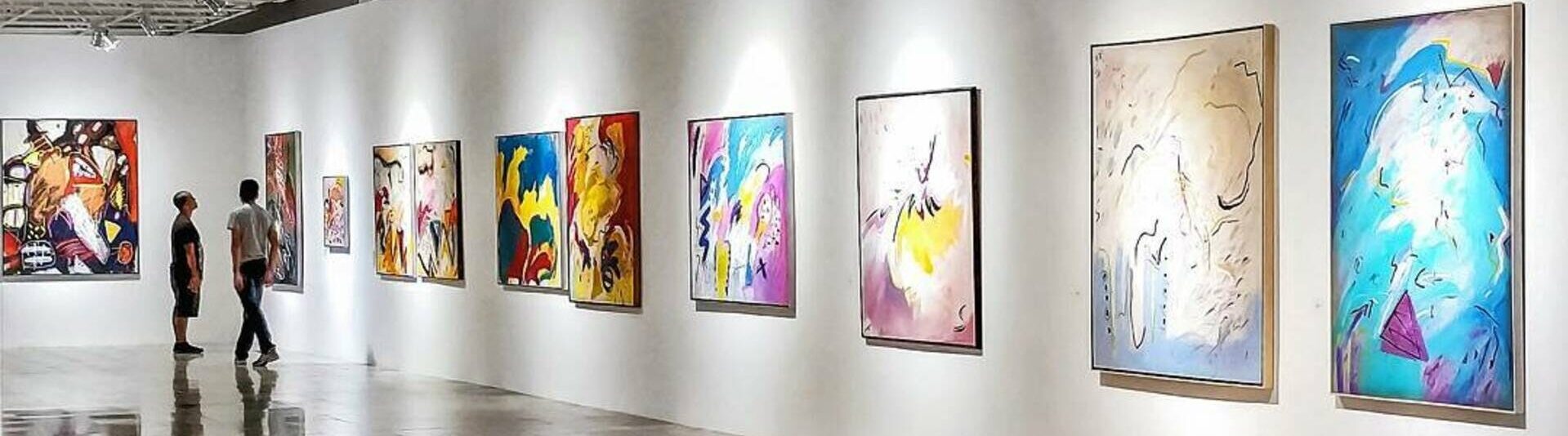
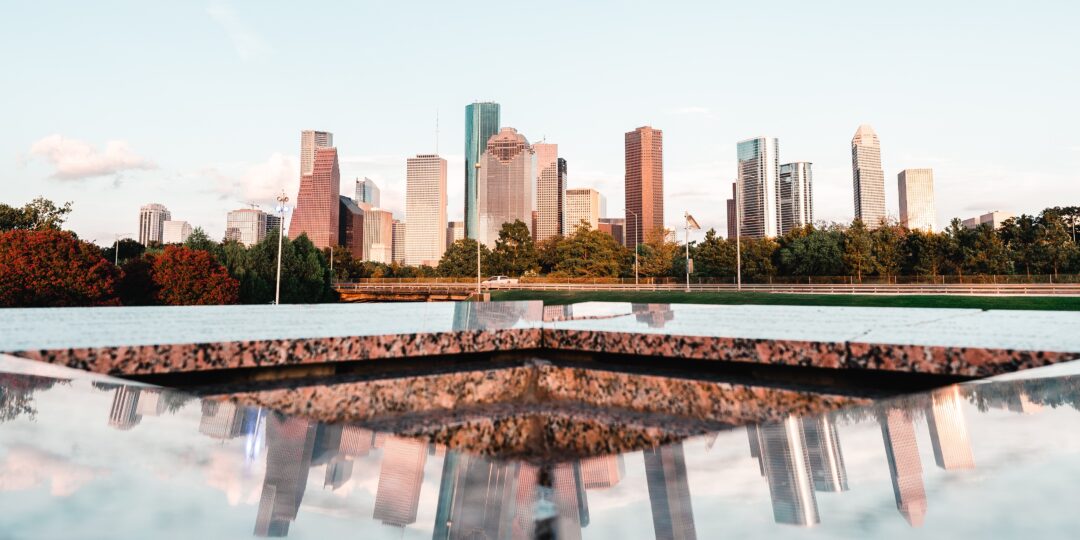
Houston, Texas, has been known as the “Energy Capital of the World” for decades, but in recent years it has also gained a new reputation: as a hub for contemporary art. Houston has become a center for cutting-edge art, attracting artists, collectors, and curators from around the world. But how did this happen? How did Houston become the cradle of contemporary art?
The story begins in the 1940s, when the Museum of Fine Arts, Houston, began to collect and exhibit modern art. At the time, this was a bold move, as many other museums were still focused on traditional art forms. But the Museum of Fine Arts, Houston, was determined to be at the forefront of the art world. It began to acquire works by important modern artists such as Pablo Picasso, Henri Matisse, and Joan Miró, and to exhibit them in shows that drew large crowds.
In the 1960s, Houston began to see the emergence of a new generation of artists who were interested in pushing the boundaries of traditional art forms. These artists were influenced by the avant-garde movements of Europe and New York, and they began to experiment with new forms of expression. Many of these artists were drawn to Houston because of the city’s vibrant cultural scene and its support for the arts.
One of the most important figures in this new generation of artists was James Turrell, who moved to Houston in 1966. Turrell was fascinated by the way light could be used to create immersive environments, and he began to create installations that used light as their primary medium. His work was groundbreaking, and it helped to establish Houston as a center for experimental art.
Another important figure in Houston’s art scene was the curator Walter Hopps. Hopps had worked at some of the most prestigious museums in the country, including the Museum of Modern Art in New York, but he was drawn to Houston because of its emerging art scene. In 1969, he organized an exhibition at the Rice University Art Gallery called “The Machine as Seen at the End of the Mechanical Age.” The show was a critical success, and it helped to establish Rice University as an important center for contemporary art.
Throughout the 1970s and 1980s, Houston continued to attract artists who were interested in experimentation and pushing boundaries. Many of these artists were drawn to the city’s relatively low cost of living, as well as its supportive community of artists and art lovers. Houston also had a number of institutions that were committed to supporting contemporary art, including the Contemporary Arts Museum Houston, the Menil Collection, and the University of Houston.
One of the most important moments in Houston’s art history came in 1987, when the Menil Collection opened its doors. The Menil was founded by John and Dominique de Menil, who were passionate collectors of modern and contemporary art. The museum’s collection includes works by some of the most important artists of the 20th century, including Marcel Duchamp, René Magritte, Mark Rothko, and Jackson Pollock. The Menil quickly became a cultural landmark in Houston, drawing visitors from around the world and establishing the city as a major player in the contemporary art world.
In recent years, Houston’s art scene has continued to thrive. The city is home to a number of important galleries, including the Barbara Davis Gallery, which represents artists such as Carlos Cruz-Diez and Sheila Hicks, and the Hiram Butler Gallery, which represents artists such as Robert Rauschenberg and Donald Judd. The city is also home to a number of important art events, including the Houston Art Fair and the FotoFest International Biennial.
Houston’s success as a center for contemporary art can be attributed to a number of factors. The city’s supportive community of artists, collectors, and institutions has been a key factor in its success. Houston has a long history of supporting the arts, and this has created a culture that values creativity and experimentation. The city has also been able to attract top talent from around the world, thanks to its relatively low cost of living and its vibrant cultural scene.
Another factor that has contributed to Houston’s success as a center for contemporary art is its diversity. Houston is one of the most diverse cities in the United States, with a large population of immigrants from around the world. This diversity has brought new perspectives and ideas to the city’s art scene, and it has helped to make Houston a more inclusive and welcoming place for artists and art lovers.
In recent years, Houston has also benefited from the growth of the tech industry. Many tech companies have set up shop in the city, attracted by its low cost of living and its talented workforce. This has created new opportunities for artists, who are often able to collaborate with tech companies on innovative projects that blend art and technology.
One example of this is the Houston-based company Hound Labs, which has developed a breathalyzer device that can detect whether a person has recently smoked marijuana. Hound Labs worked with artist Robert Pruitt to create a series of artworks that explored the relationship between technology and human consciousness. The resulting works were displayed at the Contemporary Arts Museum Houston, and they helped to spark a conversation about the role of technology in our lives.
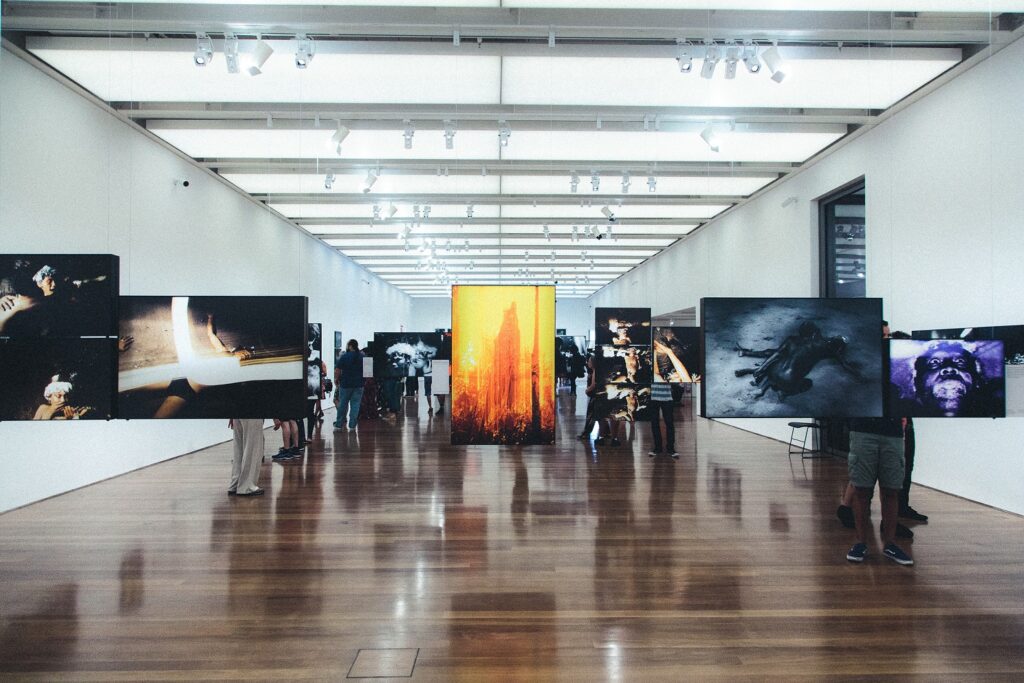
Houston’s success as a center for contemporary art is also due in part to the efforts of its artists, curators, and institutions to engage with the wider community. Many artists in Houston are deeply committed to using their work to address social and political issues, and they are often involved in community outreach and education programs. This has helped to create a sense of connection between the city’s art scene and its broader community, and it has made Houston a more vibrant and engaged place to live.
Houston’s success as a center for contemporary art can be attributed to a number of factors, including its supportive community, its diverse population, and its commitment to engaging with the wider world. The city’s vibrant art scene has helped to put it on the map as a cultural destination, and it has inspired artists, collectors, and institutions around the world. As Houston continues to grow and evolve, its art scene is sure to remain a vital and dynamic part of the city’s cultural landscape.